Making sense of suffering

Suffering is one of the hardest things we experience in this life. For some people it is physical pain and disability, for some mental pain and anguish, for others it is the pain of losing those we love.

I know in my own life, my faith would not be as strong if I did not suffer so many years with crippling Rheumatoid Arthritis. Every day I had to pray, “Help me Lord” a thousand times just to get through.

God did eventually heal me, but I would not have the depth of relationship with Him, if I did not go through the Rheumatoid Arthritis. There is a trust and dependence we learn that only comes through the most difficult trials.

In the above video from the Chosen, Little James asks Jesus why he has healed others, but not him. It is a heartfelt pleading for understanding. Jesus gives an answer that I understand from experience.

I would encourage you to watch and listen to Little James heart in the question. Listen to his fear, his doubts, his disappointment, then allow Jesus’ response to wash over you.

In an interesting aside, the actor who plays Little James in the Chosen has a real disability. He actually said in an interview that Jesus’ answer in the Chosen actually helped him understand his personal suffering.

Even though the Chosen is a tv show, I am hoping it will bring some comfort to those who live with chronic suffering every day.
Drawing from the older traditions

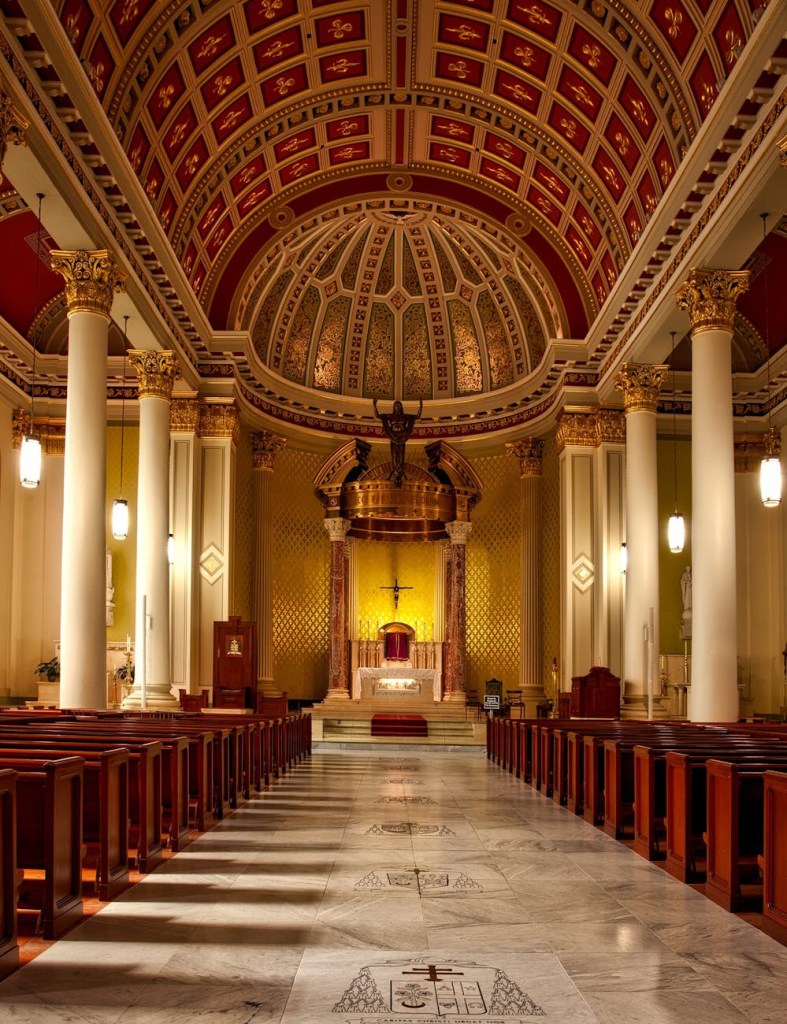
One thing I have been doing over the last few years is looking at some of the practices of the older traditional church groups like Catholic and Orthodox.

This started when I did a unit online at Tabor called, “The story of the church”. It was an overview of all the key people and events down through the ages. I had one unit to finish another qualification, so I chose that one.

Doing this unit helped me to realise that I had mainly been studying the Bible and church practices since the Reformation in the 16th century. I was missing a large part of my Christian heritage.

Doing this led me to read the early church fathers of the first to third centuries. I read the writings of people like Polycarp, Clement and Iraneus. I also read the Didache or the Teaching of the Twelve Apostles and the various ecumenical church councils.

It gave me a glimpse in to their worlds and what church was like for them. It talked about their issues they faced, the persecution, instructions on church and how to live a godly life.

One thing I also found as time went on was a connection to the “communion of the saints” that we say when we read the Apostles Creed. I was part of the visible church on the earth and the invisible church in heaven, those who have lived and died before us.

I have found reading these things have really enriched my life. I have a greater appreciation of my faith in Christ and the faith and struggles my Christian brothers and sisters have faced down through the ages.

If you are interested in reading the writings of the early church, most are available online for free. However, one of the best ways is to download the free program e-sword. It is a free Bible program that includes a lot of free resources like the early church fathers. I have used it for about 20 years!

What is the Didache?

Several weeks ago in a post about baptism I included a quote from the Didache. This is an early writing of the church in about 80-120AD.

The Didache is basically an early christian manual on how christians should live and how the church should be run. The above video gives a really good overview of what it contains.

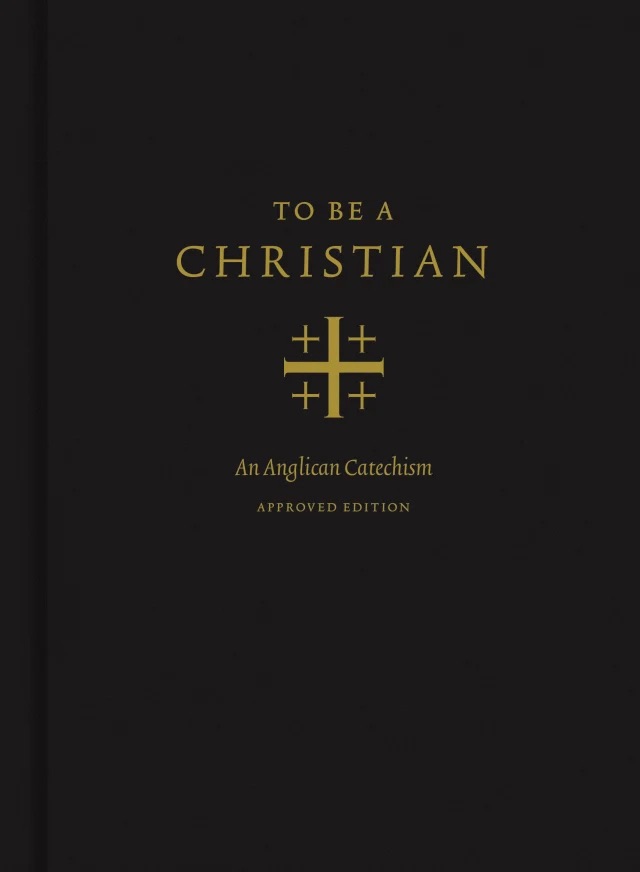
To be a Christian book

I just received a hard copy of a book I have been reading. I had been reading the PDF version and found it to be a great resource, so I decided to add it to my physical library.

To be a Christian is a catechism style book that has over 360 questions and answers. It touches on all areas of our faith as Christians. I wish I had something like this as a new Christian, it would have been really helpful.

Here is an example question and answer about Jesus…

  1. Who is Jesus Christ?
    Jesus is the eternal Son of God, the Savior of the world. Fully divine, he took on our human nature, died on the Cross for our sins, rose from the dead, ascended into heaven, and now rules as Lord and King over all creation. (Numbers 21:4–9; Psalm 110; John 3:13–15; Philippians 2:5–11; Colossians 1:15–20)

I really love that it has a short answer that you could memorise and it has all the Bible references that you can look up.

Here is a description from the publisher…

Catechesis is an ancient practice of Christian disciple making that uses a simple question-and-answer format to instruct new believers and church members in the core beliefs of Christianity. To Be a Christian, by J. I. Packer and a team of other Anglican leaders, was written to renew this oft-forgotten tradition for today’s Christians. With over 360 questions and answers, plus Scripture references to support each teaching, this catechism covers the full range of Christian doctrine and life, drawing from the Apostles’ Creed, the Lord’s Prayer, the Ten Commandments, and other important doctrinal summaries. Clear, concise, and conversational, this resource was written for all believers who seek to be grounded more deeply in the truth of God’s Word.

I downloaded a free PDF copy from here, and then purchased a hard back copy from Koorong.com here.