A key to spiritual growth
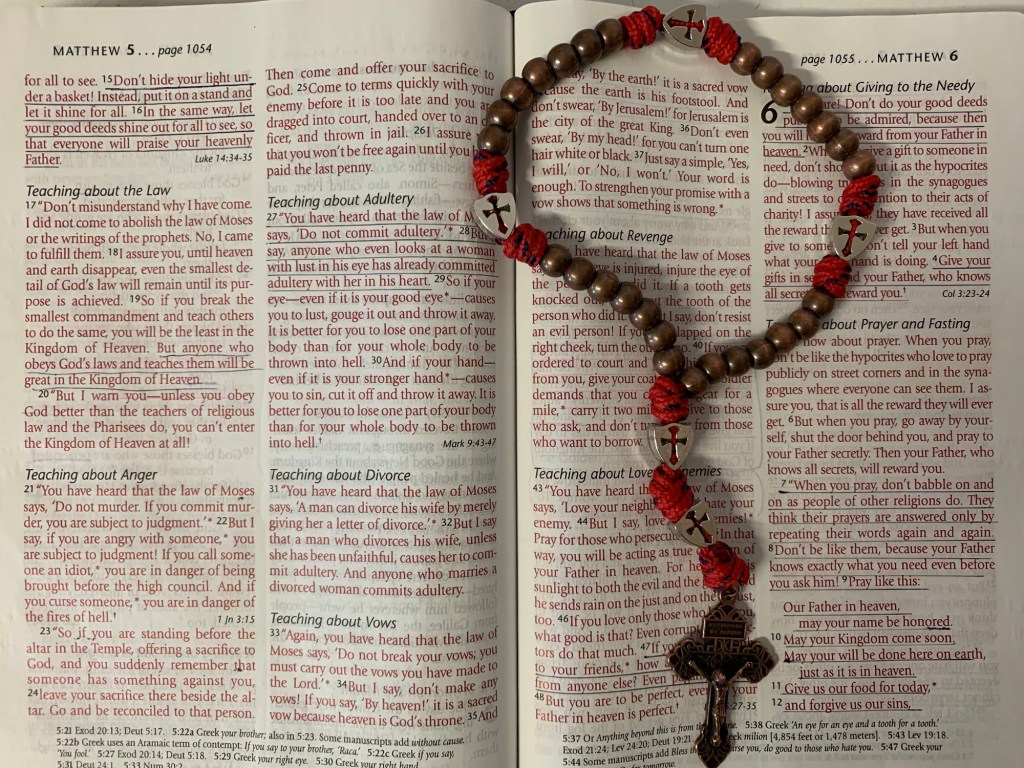
Here is a recent devotion from The Word for Today…

Bible reading; the key to spiritual growth (1)

Friday 2nd January 2026

This Book of the Law shall not depart from your mouth.” Joshua 1:8 NKJV

God gave Joshua a big job: conquer the Promised Land and divide it up among the twelve tribes of Israel. He also gave him the key to success: “This Book of the Law shall not depart from your mouth, but you shall meditate in it day and night, that you may observe to do according to all that is written in it. For then you will make your way prosperous, and then you will have good success.” God didn’t command Joshua to seek a spiritual experience or a personal revelation. He told him to meditate on the Scriptures.

Greg Hawkins and Cally Parkinson wrote a book called Move. They wanted to find the key factors for spiritual growth, so they surveyed the congregations of one thousand churches. Here’s what they found: “Nothing has a greater impact on spiritual growth than reflection on Scripture. If churches could only do one thing to help people at all levels of spiritual maturity grow in their relationship with Christ, their choice is clear. They would inspire, encourage, and equip their people to read the Bible.” You don’t grow in Christ simply because you’re busy in church; it happens automatically when you read and trust God’s Word. So engage with your Bible. Meditate on it day and night. Think and rethink on it. Let it be your guide. Make it your go-to book for questions. Let it be the ultimate authority in your life. Peter puts it this way: “As newborn babes, desire the pure milk of the word, that you may grow thereby” (1 Peter 2:2 NKJV).

The Apostle Paul’s timeline

For many years I have been fascinated with the Apostle Paul and his life. I love the way he was converted on the road to Damascus and then went from a persecutor of the church to a church leader.

While doing some research on Paul I came across this timeline of his life on GotQuestions.org. I found it really helpful in understanding Paul and his works.

Here is a chronological list of major events in Paul’s life (the dates are approximate):

  • Conversion on the road to Damascus, AD 34
  • Three years in Arabia, AD 34—37
  • First missionary trip, AD 46—48
  • Jerusalem Council, AD 49 or 50
  • Second missionary trip, AD 49—52
  • The epistle to the Galatians, AD 50
  • The epistles of 1 and 2 Thessalonians, AD 51 and 52
  • Third missionary trip, AD 53—57
  • The epistles of 1 and 2 Corinthians, AD 55 and 56
  • The epistle to the Romans, AD 57
  • Arrest in Jerusalem, AD 57
  • Imprisoned in Caesarea, AD 57—60
  • Appeal to Caesar and trip to Rome, AD 60—61
  • The epistle to the Ephesians, AD 61 or 62
  • The epistle to the Colossians, AD 61 or 62
  • The epistle to Philemon, AD 61 or 62
  • The epistle to the Philippians, AD 62 or 63
  • Release from the first Roman imprisonment, AD 63
  • Trip to Spain (?), AD 63 or 64 (see Romans 15:24, 28)
  • The epistle of 1 Timothy, AD 64
  • The epistle to Titus, AD 64
  • The epistle to the Hebrews (?), AD 65 or 66
  • Second Roman imprisonment, AD 66—67
  • The epistle of 2 Timothy, AD 67
  • Martyrdom, AD 67

I find his missionary trips and writings very interesting. I also find that from his conversion to his death was 33 years. The same amount of time Jesus lived on earth.

If you are interested there is an article that explains the timeline in a deeper way on GotQuestions.org.

What does Jesus’ death mean?

Here is another simple answer to a great question. It is from “To be a Christian” #65…

  1. What does Jesus’ death mean for you?
    Jesus bore my sins and died the death that I deserve, so that I could be saved from sin and eternal condemnation and reconciled to God. (Psalm 32:1–2; Isaiah 53:10–12; Matthew 20:28; Romans 5:8–10; 2 Corinthians 5:17–21)

Jesus died so our sins could be forgiven and we could be in right relationship with God.

I would encourage you to download a PDF copy from this website for free.

Daily Bible lectionary readings

For most of my 36 year Christian walk I have read the Bible every day. I have usually read one chapter a day or have done some sort of Bible reading plan on the Bible app.

Over the last few years I have started doing the lectionary readings of the day. The two main sources I have used are the Revised Common Lectionary or the Daily Catholic Readings.

Both of these resources have a three year cycle that includes an Old Testament reading, a Psalm and a New Testament reading. These readings line up with the seven church seasons of the year (eg. Lent, Ordinary Time, Advent ect).

So if want to start reading the Bible and are not sure where to start, you might like to try the daily lectionary readings. You can find links to them below.