One of our Bible reading plans we have looks at prayer. You can read through some of the big prayers of the Bible.
We are so blessed to be able to read prayers from people like Abraham, Moses, David, Paul and even Jesus.
This plan takes two weeks to complete. Please enjoy.
Day 1 – Genesis 18:1-33 – Abraham’s plea for Sodom Day 2 – Exodus 15:1-27 – Moses’ song to the Lord Day 3 – Exodus 33:1-23 – Moses meets with God Day 4 – 2 Samuel 7:1-29 – David’s response to God’s promises Day 5 – 1 Kings 8:1-66 – Solomon’s dedication of the Temple Day 6 – 2 Chronicles 20:1-37 – Jehoshaphat pays for victory Day 7 – Ezra 9:1-15 – Ezra’s prayer for the people’s sins Day 8 – Psalm 22:1-31 – A cry for God to help Day 9 – Psalm 104:1-35 – A prayer of praise Day 10 – Daniel 9:1-27 – Daniel’s prayer for the salvation of Jerusalem Day 11 – Habakkuk 3:1-19 – A prophet’s prayer of acceptance Day 12 – Matthew 6:1-34 – The Lord’s prayer Day 13 – John 17:1-26 – Jesus’ prayer for His disciples Day 14 – Colossians 1:1-29 – Paul’s prayer for thanksgiving
What should a Pastor do? We all have our ideas of what the Pastor should do, but I think it is important to start from what the Bible says. When I got my first job as a Pastor I decided to look at the Pastor’s role according to the Bible.
The term Pastor only appears once in the New Testament. This might surprise some, as it did me when I looked it up first time. So what is the context of the one time it is mentioned?
Ephesians 4:11-12 says, “11 Now these are the gifts Christ gave to the church: the apostles, the prophets, the evangelists, and the pastors and teachers. 12 Their responsibility is to equip God’s people to do his work and build up the church, the body of Christ.”
This is the only reference to the Pastor. The role mentioned above is an equipping role. Equipping the people of God to do the work of God in the church and the world. I asked someone at the denomination that I am apart of and they said the same thing. The Pastor is there is equip the church to do the work of ministry, not do the work of ministry on behalf of the church.
So the Pastor’s role is a teaching and equipping role. This happens through sermons, Bible studies, and encouraging the church in their faith.
The interesting thing that I also found is the Greek word used for Pastor is Poimen. This is translated as Pastor in the above passage, where in other places it is translated as shepherd. This is where the Pastor as a shepherd image comes in.
In 1 Peter 5:2-3 it says, ” 2 Be shepherds [Poimen] of God’s flock that is under your care, watching over them—not because you must, but because you are willing, as God wants you to be; not pursuing dishonest gain, but eager to serve; 3 not lording it over those entrusted to you, but being examples to the flock. ”
The second role of a Pastor is to shepherd God’s flock. To watch over them, look out for them, counsel them, provide an environment where they can grow in their faith in Christ, living out a godly life as an example and to lead them with the other Elders to the place where God wants them to be.
Pastors do so many things but the two main roles they will be accountable to God for is equipping the church members to do the works of service and shepherding the flock entrusted to their care.
Another interesting thing about the of the role of a Pastor comes for the Greek word for flock – Poimnion – this means a group of believers. The Pastor (Poimen) looks after the flock (Poimnion). The key focus of the Pastor should first and foremost on the group of believers they are overseeing.
It is a really interesting exercise to research the biblical role of the Pastor. With people expecting so much of Pastor’s and the many different roles they undertake, equipping and shepherding needs to be the main focus.
What are your favorite physical activities or exercises?
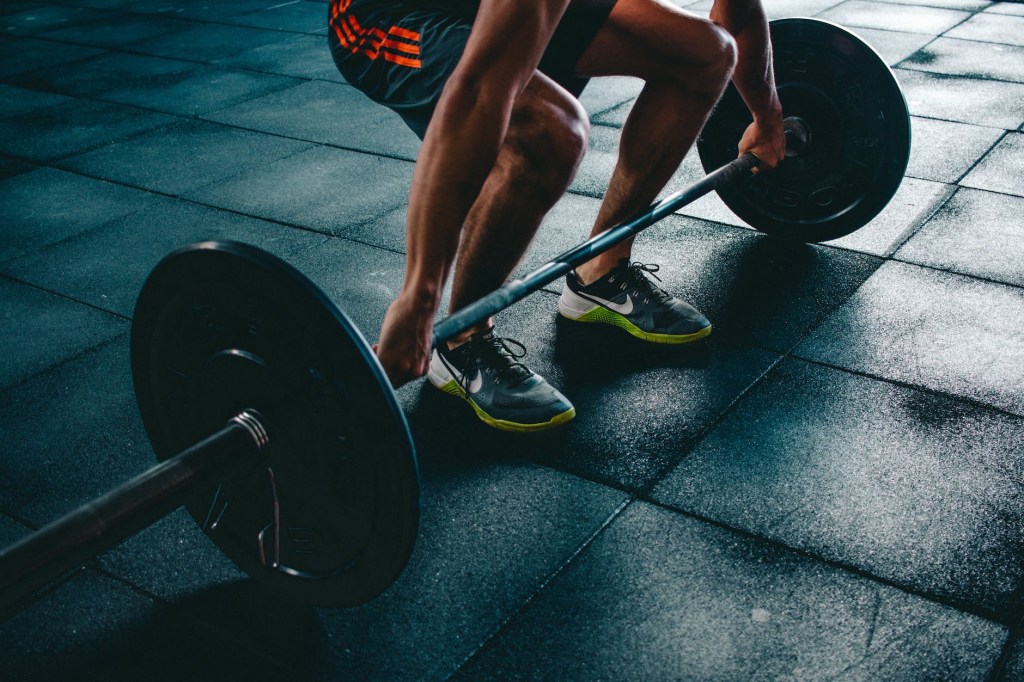
My favourite exercise by far is weight training. I started doing weights when I was 18 and have trained either 3 or 4 days a week since then.
I love the feeling of the workout pump and how you feel the rest of the week. My gym sessions usually last about 30 minutes but I feel the results the other 160 plus hours of the week.
I started weights to strengthen my muscles to support my joints when I had Rheumatoid Arthritis. But before long I realised it helped me get stronger, be more flexible and kept my muscles toned.
Weight training has become such a big part of my life that I can see myself doing it for the rest of my days on earth.



 PASSIONAustralia.blog