Here is a simple explanation of what it means to have Jesus as our Lord. It is taken from the book, “To be a Christian” (Catechism #52)
What do you mean when you call Jesus Christ “Lord”?
I acknowledge Jesus’ divine authority over the Church and all creation, over all societies and their leaders, and over every aspect of my life, both public and private. I surrender my entire life to him and seek to live in a way that pleases him. (Daniel 7:13–14; Mat thew 7:21–23; Luke 9:23–26; Ephesians 1:15–23; Colossians 1:16–18)
Here is a free download from my main website. This booklet contains a collection of short reflections from the book of James in the New Testament. The reflections have grown out my morning devotions and meditations on Scripture. There are 14 in total.
One of the things Bible college did was teach me to read outside my church tradition. By this I mean do not just read things that are written by people in your denomination.
The Bible college I attended had lecturers from across the Christian traditions. We had people from evangelical, pentecostal, orthodox and even catholic churches as lecturers. Most were open to tell us which tradition they came from, some would not tell us. They wanted us to try and guess during the semester.
I found this really helpful in understanding what people and various churches taught. I think it made me more open to learn and to help me solidify some of my own beliefs. It also showed me that we have way more in common than differences.
For one of my theology units we used the textbook “The Mosaic of Christian Belief” by Roger E. Olsen. It took a topic and broke it down as follows for example on creation…
Issues and polarities of christian beliefs about creation.
The consensus christian beliefs about creation.
Alternates to the christian consensus about creation.
Diverse christian beliefs about creation.
A unitive christian view on creation.
Looking at topics from this perspective gave us a broad overview of what christians believe today about an issue and positions held down through the ages.
Since finishing Bible college I have continued this habit. Last year I read a number of books from the Catholic tradition, this year I am reading more Anglican books and catechisms.
Some might think of this as not helpful or even a little bit “dangerous”, but I do it through the lens of Bible college and being well formed in my beliefs. I can eat the meat and spit out the bones as they say.
Being open to other traditions has helped me to read the early church fathers, read the catholic and anglican catechisms, read about the lives of the Saints, and about praying with the catholic rosary and anglican prayer beads.
Reading from other traditions has helped me grow in my faith. Not only do I understand different positions a little bit more, but I have learned and incorporated new things in to my personal faith.
I just received a hard copy of a book I have been reading. I had been reading the PDF version and found it to be a great resource, so I decided to add it to my physical library.
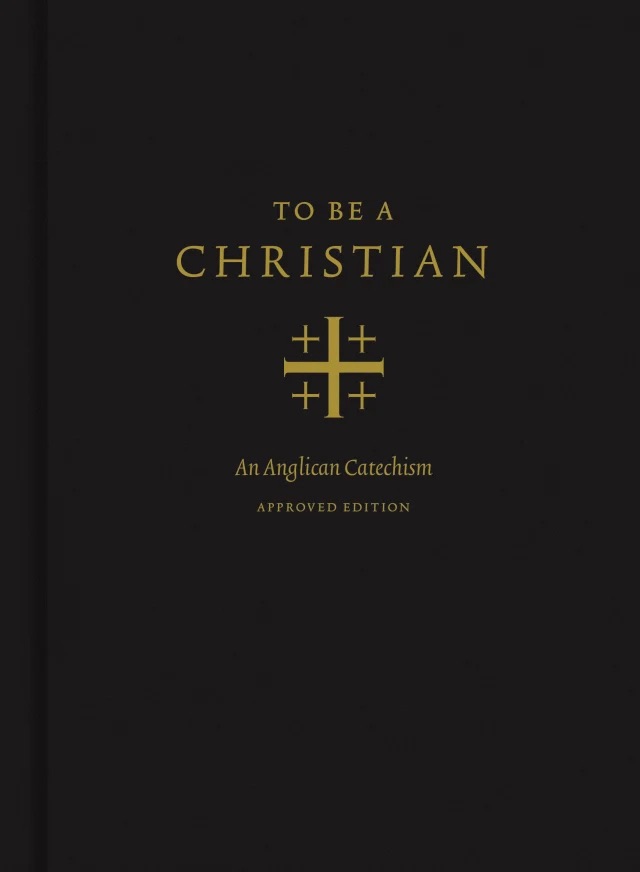
To be a Christian is a catechism style book that has over 360 questions and answers. It touches on all areas of our faith as Christians. I wish I had something like this as a new Christian, it would have been really helpful.
Here is an example question and answer about Jesus…
Who is Jesus Christ? Jesus is the eternal Son of God, the Savior of the world. Fully divine, he took on our human nature, died on the Cross for our sins, rose from the dead, ascended into heaven, and now rules as Lord and King over all creation. (Numbers 21:4–9; Psalm 110; John 3:13–15; Philippians 2:5–11; Colossians 1:15–20)
I really love that it has a short answer that you could memorise and it has all the Bible references that you can look up.
Here is a description from the publisher…
Catechesis is an ancient practice of Christian disciple making that uses a simple question-and-answer format to instruct new believers and church members in the core beliefs of Christianity. To Be a Christian, by J. I. Packer and a team of other Anglican leaders, was written to renew this oft-forgotten tradition for today’s Christians. With over 360 questions and answers, plus Scripture references to support each teaching, this catechism covers the full range of Christian doctrine and life, drawing from the Apostles’ Creed, the Lord’s Prayer, the Ten Commandments, and other important doctrinal summaries. Clear, concise, and conversational, this resource was written for all believers who seek to be grounded more deeply in the truth of God’s Word.
I listened to this audio book on the way to work this week. I quite enjoyed the look at the book of Ephesians and three key words that come from it.
Here is the description from audible.com.au…
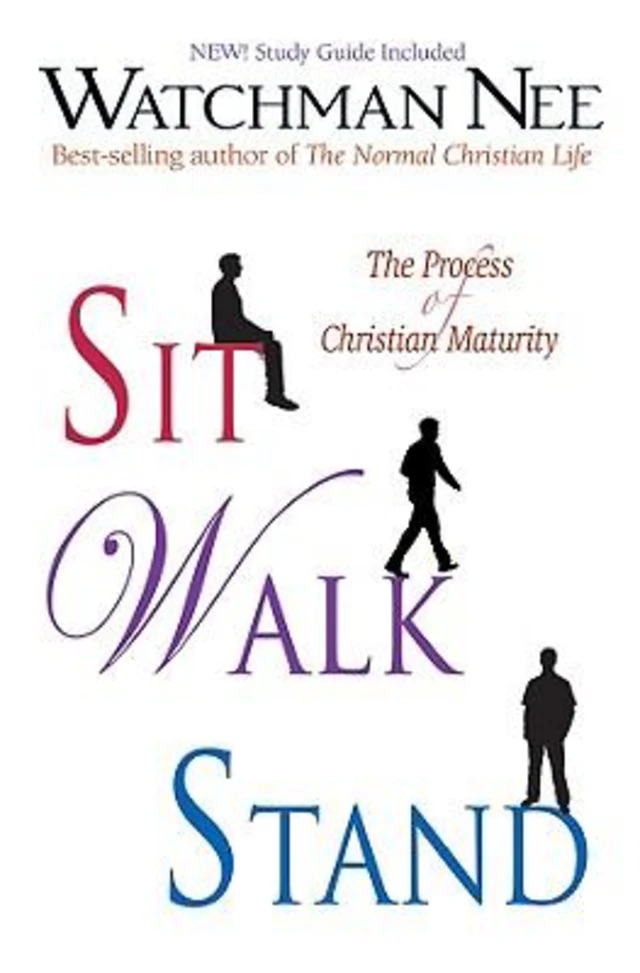
An inspiring look at Ephesians, opening our eyes to the process of Christian living and maturity in three words: Sit our position in Christ; Walk our life in the world; Stand our attitude toward the Enemy. New! Study guide included. An invaluable tool for the growing disciple.


 PASSIONAustralia.blog